attack surface
12 posts

LG Smart TVs branded surveillance risk
A public claim about LG smart TVs is a signal about a device class: connected endpoints inside the enterprise that no one owns, monitors, or governs.

A robot dog moves on command inside your network
The Creepy Crawlies robot dog is a networked device that moves on command. Its control channel and actuator define the risk, not its label.

Patching would not have stopped this breach
A Metabase zero-day converted an analytics application's standing data access into attacker access, leaving reach and scope as the only controls in play.

You're already running code you never chose
Kimi K2.7 code is generally available in GitHub Copilot. Its origin is not bound to the suggestion at emission, so the provenance boundary is unenforced.

Zluda 6 unpins CUDA from Nvidia hardware
Zluda 6 runs unmodified CUDA code on non-Nvidia GPUs, breaking a hardware-software pairing that was never an enforced control. What that exposes.
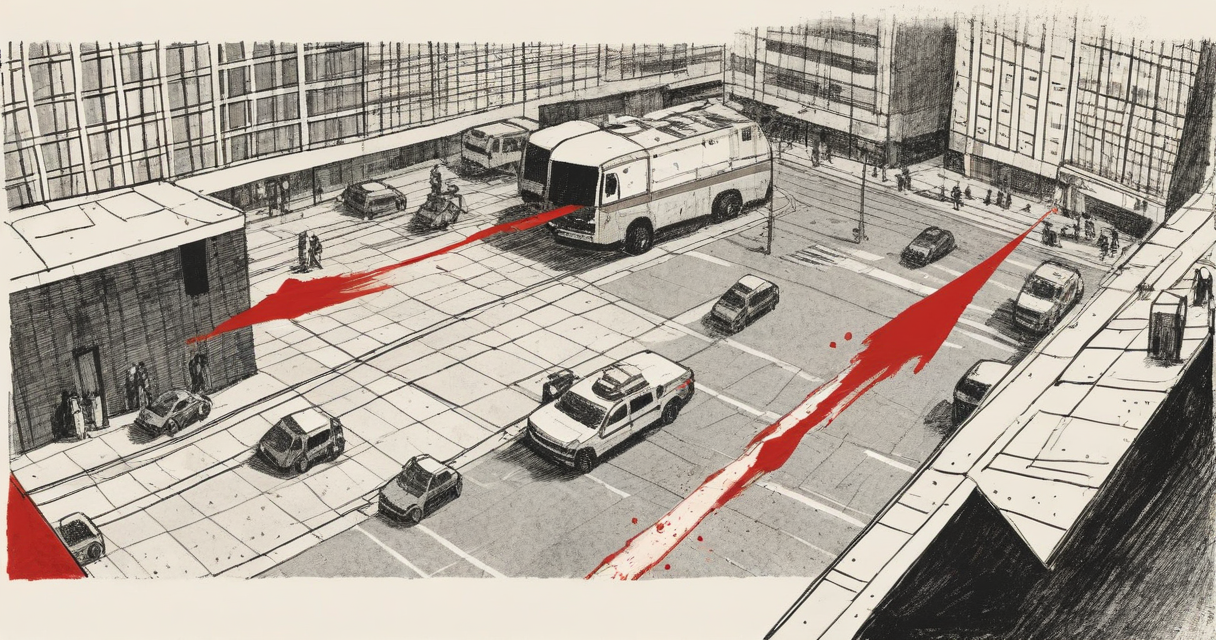
Flock's real attack surface was never the camera
Flock ALPR cameras are a national sensor grid - the security risk isn't recording, it's a queryable movement database reachable by thousands of weak accounts.

The camera on the pole has a login screen
Flock cameras are credentialed endpoints inside a trust boundary. The exposure is not surveillance. It is credential stuffing against a standardized fleet.

Telemetry is the breach
Meta paused an employee-tracking telemetry program after a data leak. The real finding is embedded in-process instrumentation as a structural attack surface.

Whoever holds the file governs
Kage turns a website into one offline binary, decoupling presentation from origin controls and leaving traffic-based detection with nothing to inspect.

The design is the vulnerability
Twenty one zero-days in FFmpeg are a symptom; the finding is an architecture that parses untrusted input with no enforced audit gate.

Zero-click chains broke the user-in-the-loop model
Zero-click malware does not need user action. It needs a reachable parser. What fails, why it fails, and what must be true.
Chrome's Renderer Process Vulnerability: Understanding the Exploit Window
Critical vulnerability CVE-2026-1847 in Chrome's renderer process allows remote code execution. Exploitation window exists due to delayed enterprise patching, with telemetry showing memory reads and DNS anomalies but no reliable detection across events.