Articles
Long-form writing on tech, culture, and the edges of the internet.

Zluda 6 unpins CUDA from Nvidia hardware
Zluda 6 runs unmodified CUDA code on non-Nvidia GPUs, breaking a hardware-software pairing that was never an enforced control. What that exposes.

Age verification is identity verification
Age verification resolves identity once and answers every access by reference, relocating control over disclosure from the user to an attestation layer.

Every kernel launch is an ioctl into ring 0
Launching a CUDA kernel crosses into ring 0 via the NVIDIA kernel-mode driver - the real attack surface behind GPU compute, its CVE class, and detection gaps.

Fast enough to lie
Package managers hang for minutes because they execute on a returned value, never measuring the network latency their design assumed would stay constant.

Flock's real attack surface was never the camera
Flock ALPR cameras are a national sensor grid - the security risk isn't recording, it's a queryable movement database reachable by thousands of weak accounts.

#gerpar trended this week; PartitionAlloc already answers it
A. Shah (REDLINE) tests the trending #gerpar Chromium heap-overflow claim against PartitionAlloc, CFI, the V8 sandbox, and renderer isolation.
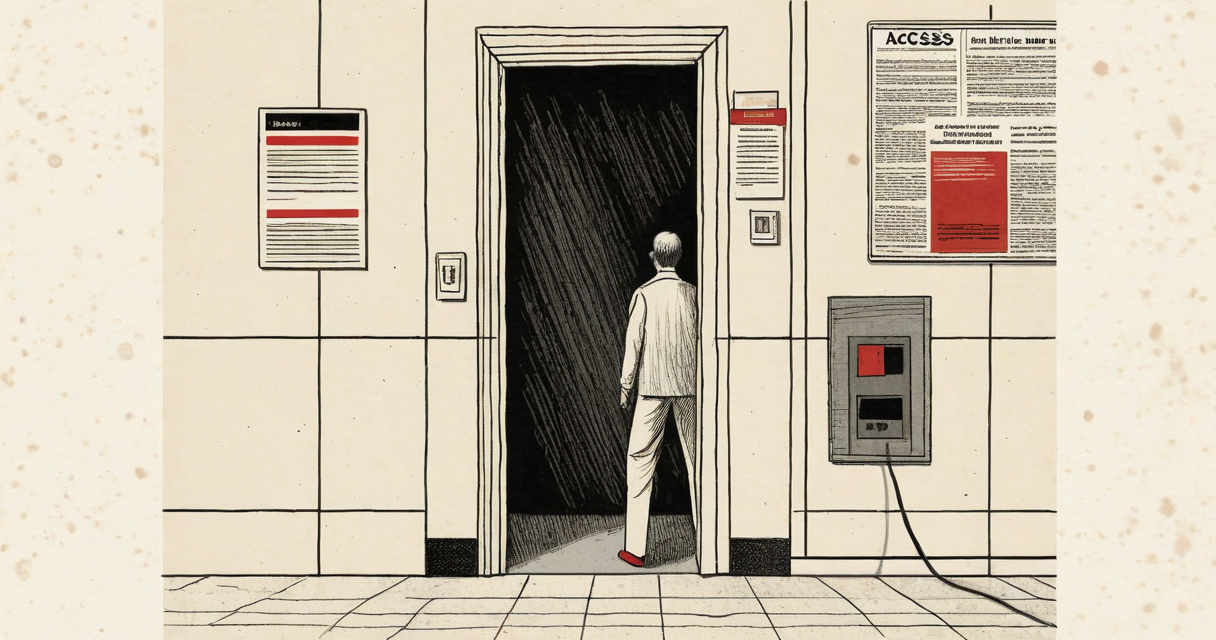
Sandia's 8085 ran with the door unlocked
Sandia's SA3000 8085 CPU granted access on reachability, not identity. An unenforced boundary on a high-value resource is an open resource.

Server returns 200, Google returns nothing
De-indexing removes content from Google's index, not the web - a complaint-driven, trust-based pipeline that lets implicated parties suppress public records.
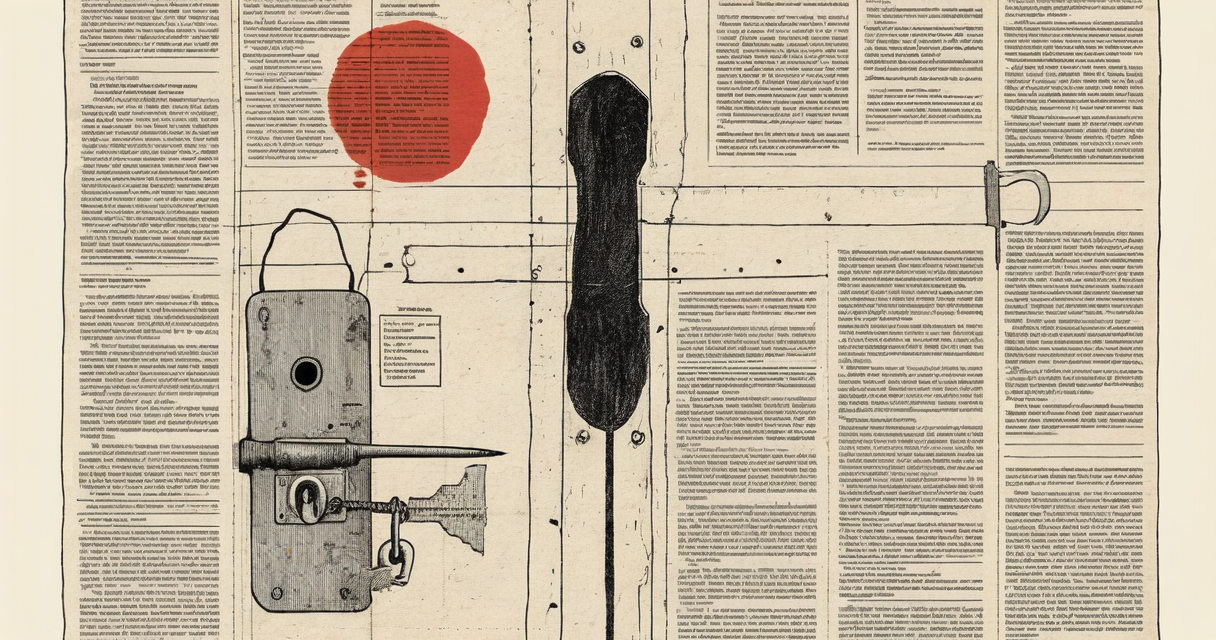
The role tag is a label, not a lock
Prompt injection is not a bypass. It is the transformer resolving the whole context window as one sequence, trusting a role label it never enforces.
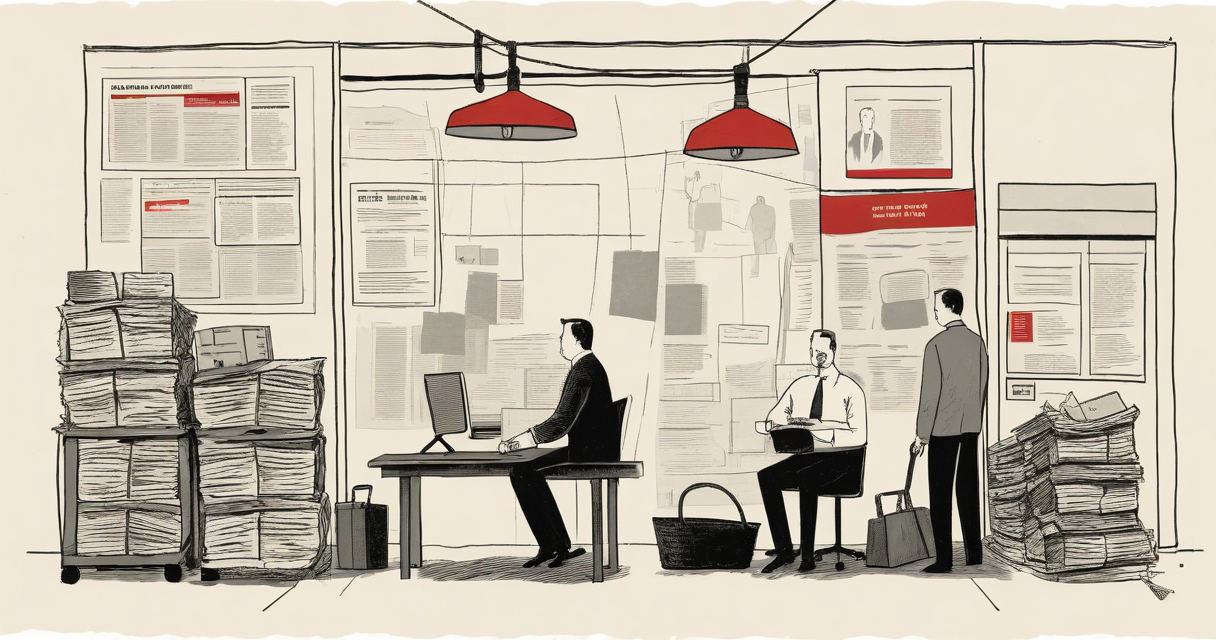
Your three memory vendors are one vendor
A US lawsuit alleging memory price fixing by Samsung, SK Hynix, and Micron exposes an unverified control: supplier independence assumed, never validated.

1.3 million IPs hit LWN in two hours
LWN.net is absorbing a 1.3-million-IP Layer 7 scraper flood. Why per-IP defenses fail, what web telemetry shows, and what shifts the cost back to the client.

A meditation app shipped a switch statement as AI
Whether a product 'really uses AI' is unanswerable and beside the point. What predicts reliability is system design: validated inputs, constrained outputs, fallbacks.