Open source is not decentralized
Damn Interesting's Alan Bellows is running a one-off $40,000 fundraiser to replace the part-time engineering income that funded his long-form writing.

Alan Bellows, who founded Damn Interesting and has run it for close to twenty years, says the part-time engineering jobs that paid his bills while he wrote have gone extinct. For most of the site’s life he split his workdays in half: part-time engineering for the money, and researching, writing, editing, and podcasting for the site. A few years ago, after months of searching, the only thing he could find was full-time work. Employers wanted all or nothing, at least the ones willing to answer an application from a self-described graybeard.
He took the full-time job, and his output dropped. He says he was always a bottleneck on the site and has now become “a downright cork,” while what he calls a tsunami of AI slop washes over most of the internet.
His answer is a one-off fundraiser to buy back his own time. The goal is $40,000, and the tally currently sits at $21,196. The amount is meant to match what the part-time salary used to bring in, enough to redirect much of his attention to the site for twelve months, with the possibility of running the appeal again a year later. It is kept separate from the site’s standing “Give a Damn” donations, which cover monthly running costs such as hosting, subscriptions, usage licenses, and link curation.
The pattern underneath is a cross-subsidy that broke. The long-form writing was never paying for itself; it was paid for by engineering work on the side, and the market for that side work changed. Once the part-time slot is gone, the choices narrow to a full-time job that crowds out the writing or direct reader money that replaces the lost salary. Bellows is testing whether readers will cover the second.
The post is illustrated with the twenty-sided die from a Magic 8 Ball, the novelty fortune-telling toy invented in 1950 by Albert C. Carter and Abe Bookman in Cincinnati. The buoyant icosahedron floats to the top of a cylinder of blue-dyed alcohol and presses one answer against the viewport. Its twenty faces are not balanced: ten read yes, five read no, and five are unclear, which makes a yes twice as likely as a no. Bellows runs that math on his own fundraiser, and by its reckoning the signs point to yes.
Keep Reading
 Windows
Microsoft's November update broke SLMGR activation, fixed Friday
Microsoft shipped out-of-band updates on Friday to fix Windows activation failures its November 2026 security updates caused for SLMGR users.
 supply-chain-attack
On 16 November, Optimizely served malicious JavaScript to 178 sites
On 16 November 2026, attackers injected malware into 178 brands' sites through Optimizely Web, swapping crypto addresses, skimming cards and hitting iOS.
 openjdk
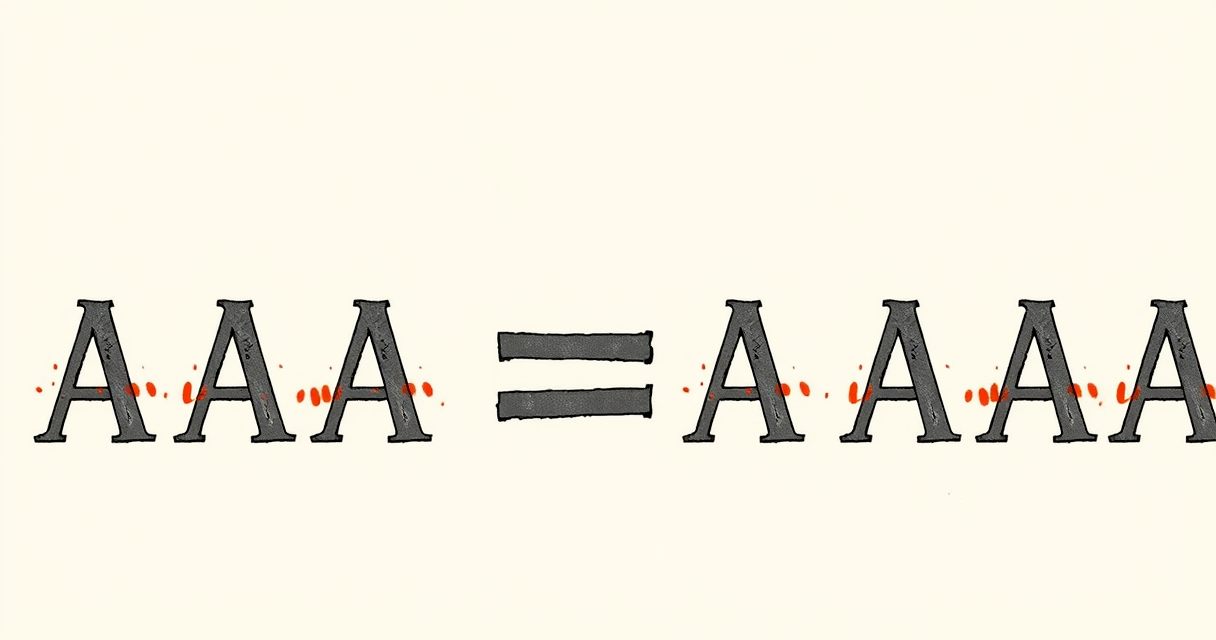
Sixty-four A's and an equals sign break OpenJDK's Base64
Java4Shell (CVE-2026-114938) is a heap overflow in OpenJDK's Base64 decoder that Calif turned into pre-auth RCE across widely deployed Java apps.
Latest on the Wire
Full wire →- AI Coding Agents Boost Output But Code Review Bottlenecks IncreaseHacker News
- AI Overviews Cut Organic Traffic by 40%Hacker News
- Apache Patches Critical Roller RCE VulnerabilityBleepingComputer
- Complete Web Browser Built from Scratch in PythonHacker News
New signal daily · RSS
Stay in the loop
New writing delivered when it's ready. No schedule, no spam.