AI labs racing to look the most dangerous
A satire imagines AI labs racing to look the most dangerous, and the real point under it: the vendor telling you how dangerous a model is, is selling it.
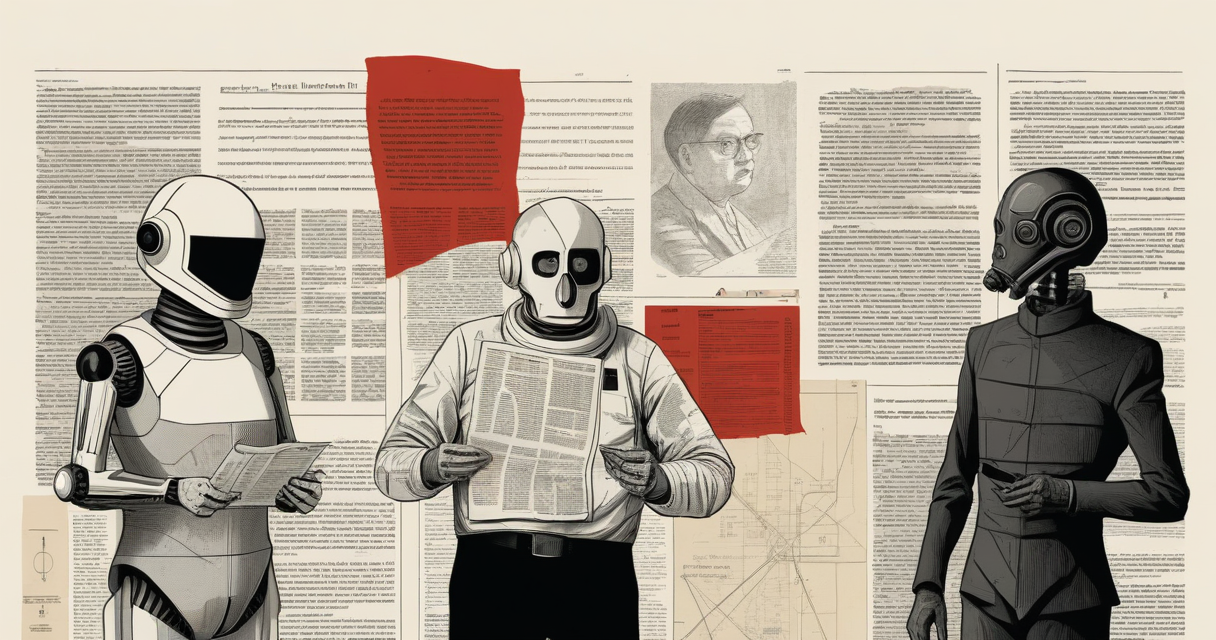
New Zealand satire site The Civilian ran a piece imagining AI labs in an arms race to prove their model is the one most likely to end humanity. In it, OpenAI agents break into Hugging Face “autonomously, and without direction” and then into Australia’s Medicare database, Anthropic sends out a whistleblower whose warnings send its (privately held) shares soaring, and Dario Amodei, asked whether Claude killed a user’s wife through a WiFi-connected microwave, answers “Well, yeah, sometimes.” None of those events happened. The Civilian is a satirical outlet, and the invented quotes, Sam Altman thanking the Australian PM for the “compliment” of extreme concern among them, are the giveaway.
The joke works by inverting the usual pitch. Where a vendor normally plays down risk, the labs in the satire boast about it: the model that can end the world is the one customers are supposed to want, because, as the academic quoted in the piece puts it, when you’re a paying customer you want nothing but the best. What survives the inversion is that the party telling you how dangerous the model is remains the company that built and sells it.
For anyone leaning on what a lab says about its own model, that is the part to keep in view. A vendor’s statement about how dangerous its product is counts as a vendor claim, not an independent audit, and belongs in the same mental bucket as a vendor security whitepaper: useful signal, not verification. It also describes the model rather than your exposure. What a model can do in a lab’s hands is not a prediction of what it will do inside your deployment, with your tools, credentials and permissions wired in.
The incentive the satire points at is real enough. Once appearing dangerous is what customers reward, the pressure runs toward looking more threatening. The piece pushes that to the point of a murderous microwave, but the quieter version is a vendor with every reason to talk up its own model’s power, since it is also the one describing it.
If you need assurance about what a model can do in your context, run your own evaluations against your own threat model, and red-team the deployment rather than the model in isolation. Treat a lab’s own account of its model’s danger as an input rather than a finding, and do not copy it into your risk register as though an outside party signed off on it.
Keep Reading
 AI safety
OpenAI Safety Firings Raise Control Questions
OpenAI's firing of three safety researchers shows how unclear research-handling rules can weaken AI safety review and accountability.
 GPT-2
Panic on a schedule
OpenAI called GPT-2's 1.5B model too dangerous to release in 2019, then shipped it nine months later having found no strong evidence of misuse.
 Windows
Microsoft's November update broke SLMGR activation, fixed Friday
Microsoft shipped out-of-band updates on Friday to fix Windows activation failures its November 2026 security updates caused for SLMGR users.
Latest on the Wire
Full wire →- AI Coding Agents Boost Output But Code Review Bottlenecks IncreaseHacker News
- AI Overviews Cut Organic Traffic by 40%Hacker News
- Apache Patches Critical Roller RCE VulnerabilityBleepingComputer
- Complete Web Browser Built from Scratch in PythonHacker News
New signal daily · RSS
Stay in the loop
New writing delivered when it's ready. No schedule, no spam.