AMD's Memory Encryption Blind Spot
AMD removed TSME memory encryption from non-PRO Ryzen 9000 chips in a firmware update and will restore the BIOS option in July.
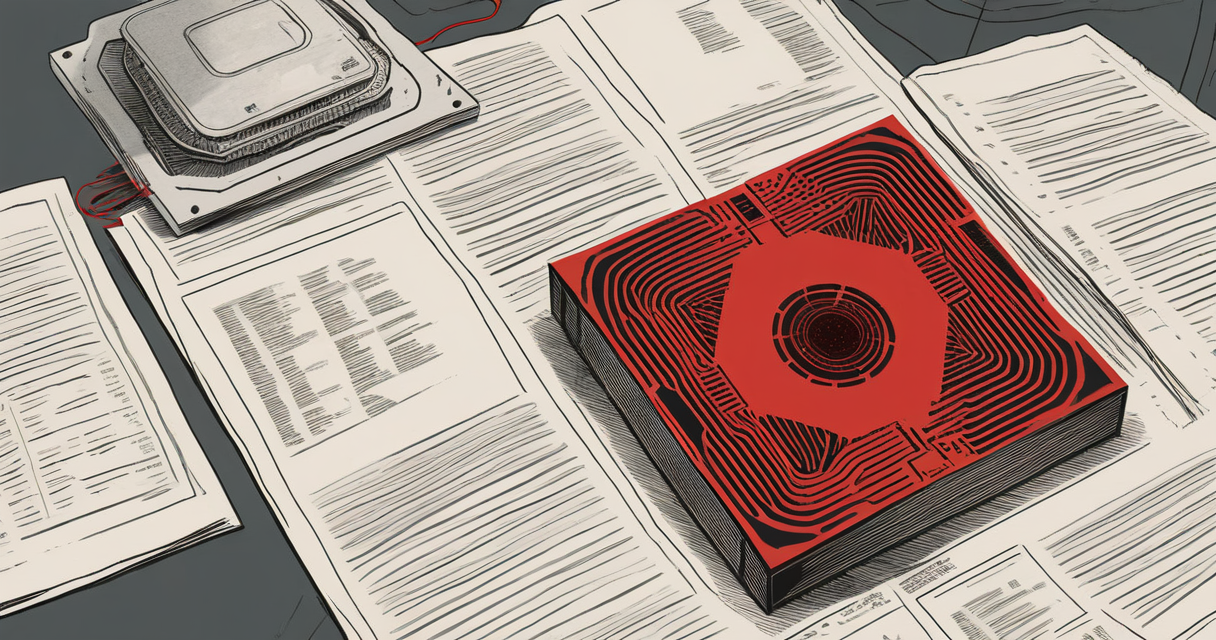
AMD removed Transparent Secure Memory Encryption from some non-PRO Ryzen chips in the AGESA 1.2.7.0 firmware update earlier this year, and has told Tom’s Hardware it will put the option back in a BIOS release in July.
TSME, which AMD brands as Memory Guard on its Ryzen PRO line, lets the processor generate a key and encrypt everything it writes to RAM. It runs below the operating system, so the OS and applications never need to know it is there, which is what “transparent” means. The payoff is protection against cold boot attacks, where someone with physical access pulls the power and reads whatever was sitting in memory before it decays. If that memory was encrypted with a key the attacker cannot reach, the dump is noise.
The removal surfaced when Ben Kilpatrick ran a security audit on a new Ryzen 7 9700X machine and found TSME gone. AMD had confirmed TSME on consumer parts as far back as the Ryzen 7 3700X in 2020. Kilpatrick worked with his motherboard vendor, MSI, which confirmed the feature had been supported and was disabled in AGESA 1.2.7.0. He filed a bug on AMD’s GitHub, where Mario Limonciello, a senior principal software engineer at AMD, replied: “My apologies, but I don’t have any more information to share on this topic.” Ars Technica reported the story.
With nothing on the record, the obvious reading was product segmentation: steer buyers who want memory encryption toward the PRO parts, where Memory Guard is a named feature. The capability was already in the silicon, so disabling it in firmware looks like a decision about market tiers rather than engineering.
AMD’s statement to Tom’s Hardware frames it differently. Memory Guard is “a hardware-based memory encryption technology available on our Ryzen PRO desktop and mobile processors where supported in silicon,” a “foundational security feature” the company has “no plans to remove” from the PRO lineup. For non-PRO Ryzen 9000 desktop parts, “a BIOS option to enable Memory Guard was previously available but was removed in a recent update. Based on valuable community feedback, we will reinstate this option in an upcoming BIOS release in July.”
For most desktops the practical exposure was small. TSME defends against an attacker who already has the physical machine, and a home desktop rarely faces that, which is why the feature leaving went unnoticed. The calculation changes for a workstation that leaves a controlled space, or any box holding keys and secrets in RAM where someone could get hands on the hardware.
If you run a non-PRO Ryzen 9000 desktop and you want TSME, you lost it around AGESA 1.2.7.0 and you get the toggle back with the July BIOS. Flash it, then confirm the setting is actually enabled; restoring a BIOS option does not mean the option defaults to on. One thing worth keeping in view: the commitment AMD put in writing covers the PRO line, not the non-PRO toggle it is restoring.
Keep Reading
 Windows
Microsoft's November update broke SLMGR activation, fixed Friday
Microsoft shipped out-of-band updates on Friday to fix Windows activation failures its November 2026 security updates caused for SLMGR users.
 supply-chain-attack
On 16 November, Optimizely served malicious JavaScript to 178 sites
On 16 November 2026, attackers injected malware into 178 brands' sites through Optimizely Web, swapping crypto addresses, skimming cards and hitting iOS.
 openjdk
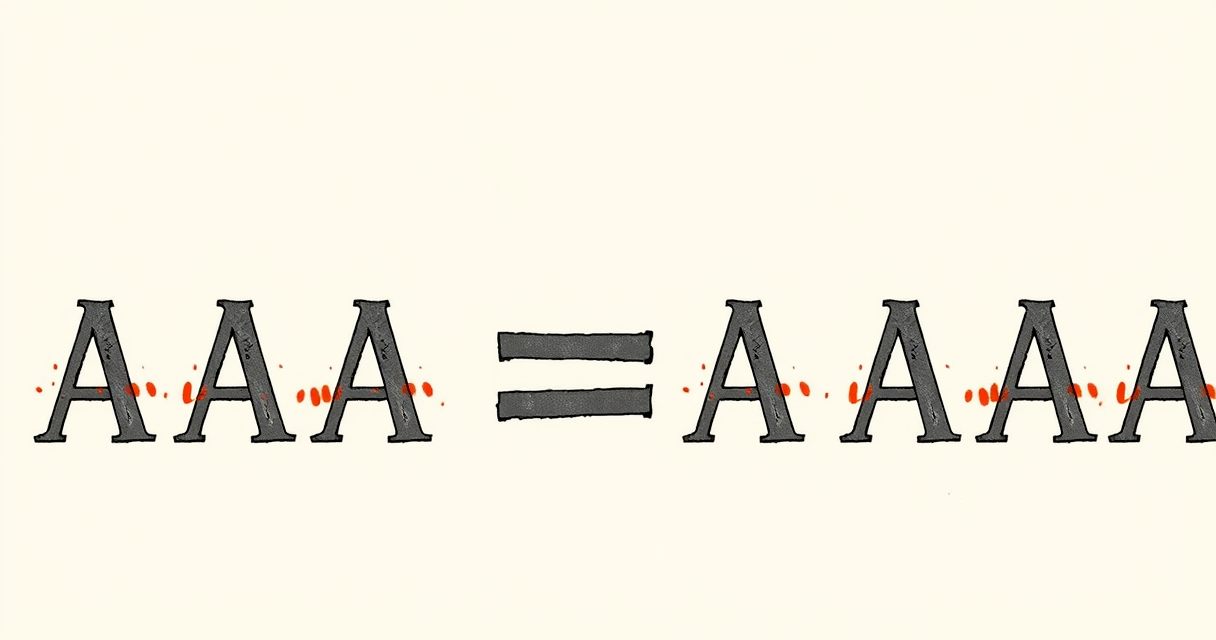
Sixty-four A's and an equals sign break OpenJDK's Base64
Java4Shell (CVE-2026-114938) is a heap overflow in OpenJDK's Base64 decoder that Calif turned into pre-auth RCE across widely deployed Java apps.
Latest on the Wire
Full wire →- AI Coding Agents Boost Output But Code Review Bottlenecks IncreaseHacker News
- AI Overviews Cut Organic Traffic by 40%Hacker News
- Apache Patches Critical Roller RCE VulnerabilityBleepingComputer
- Complete Web Browser Built from Scratch in PythonHacker News
New signal daily · RSS
Stay in the loop
New writing delivered when it's ready. No schedule, no spam.